15th International Railway and Intermodal Congress
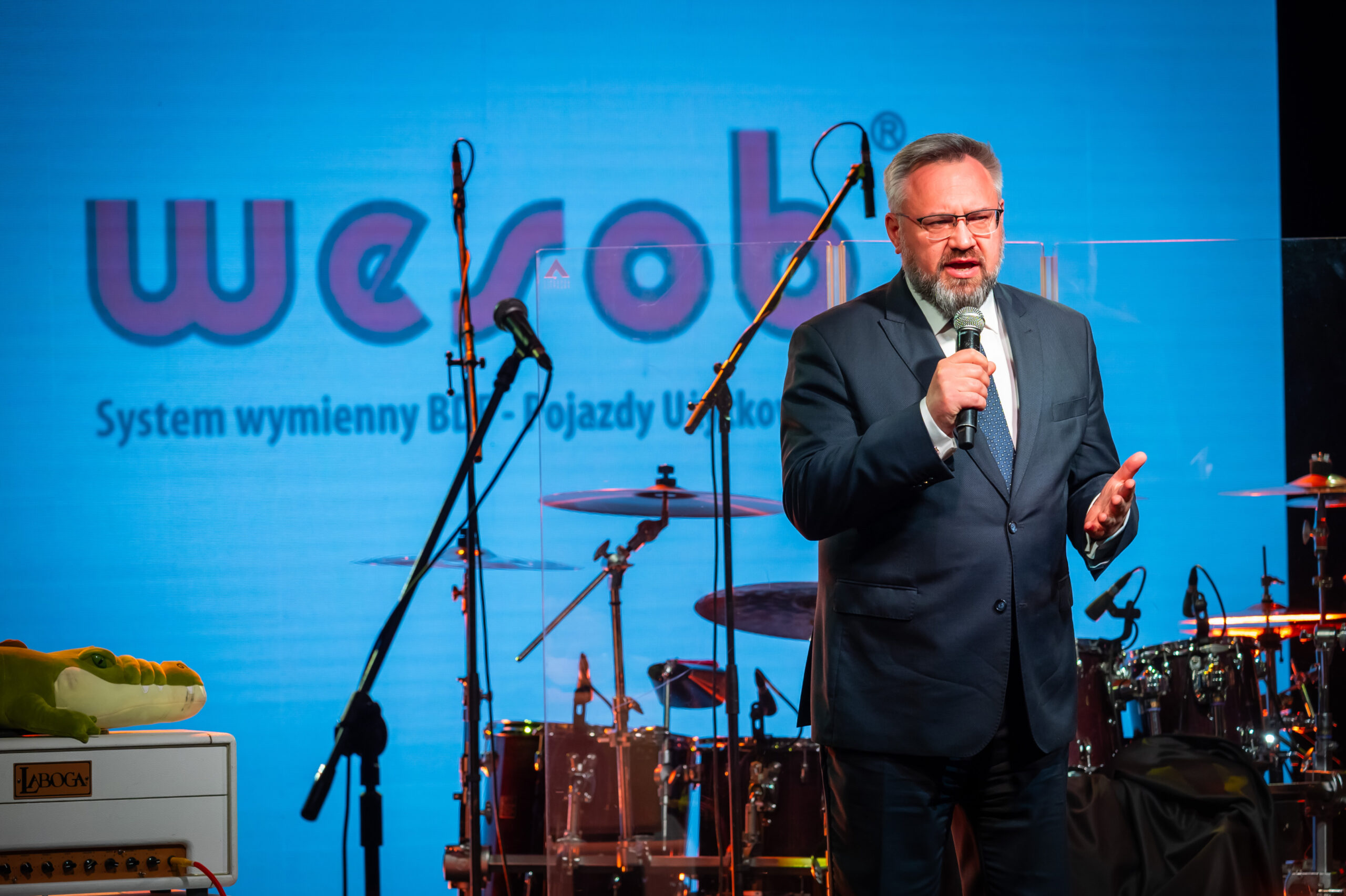
The importance of railway infrastructure in terms of resilience, the impact of geopolitical factors and sanctions on the transport and logistics sector, the future of green transition, and changes in EU transport policy were the main topics discussed by participants at the 15th International Railway and Intermodal Congress, held on 4–5 March of this year in Wisła.
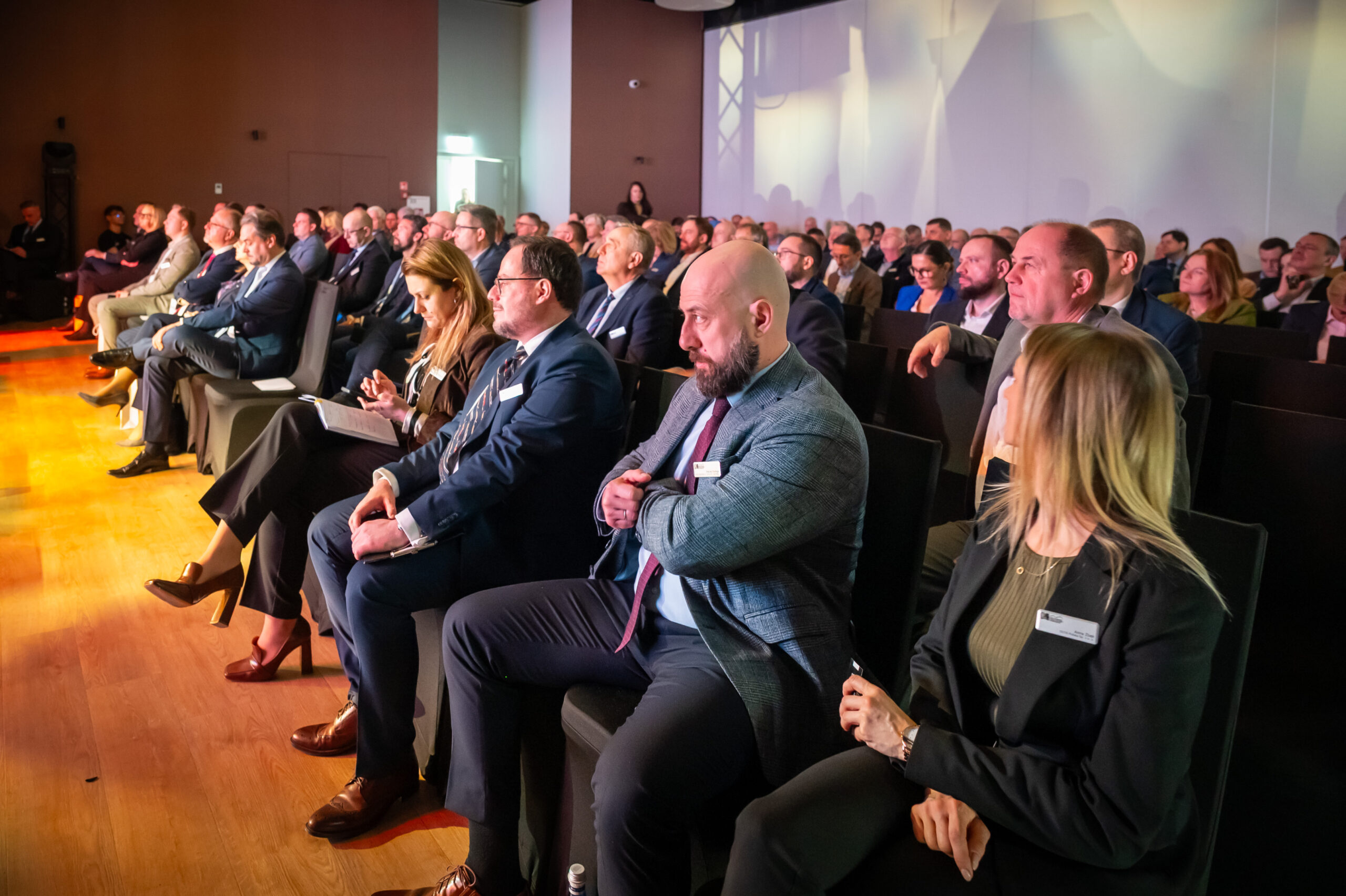
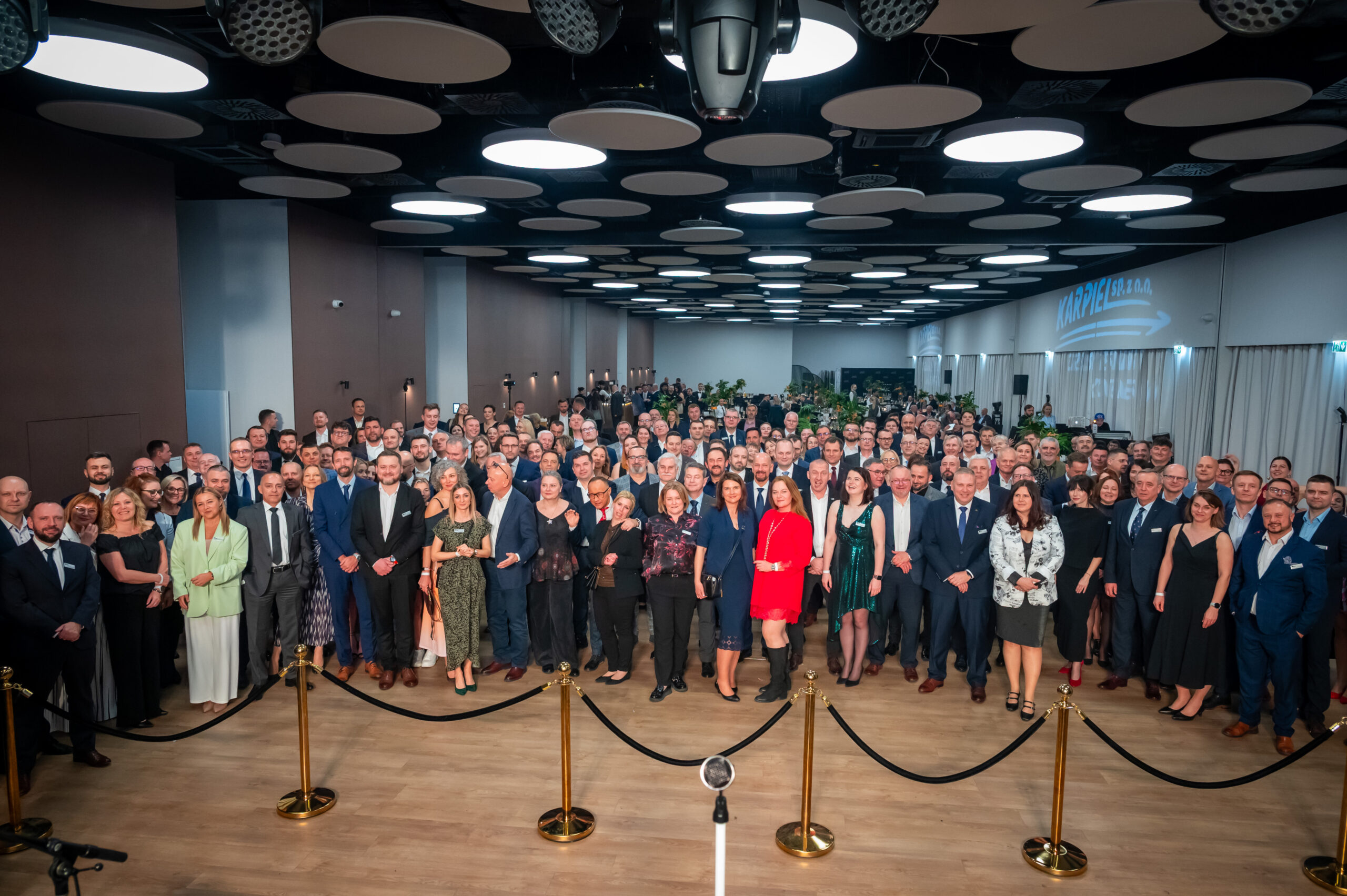
The event, organized by Oltis Polska and První Signální, co-organized by the ProKolej Foundation, was attended by more than 350 participants from various countries including Poland, Slovakia, the Czech Republic.
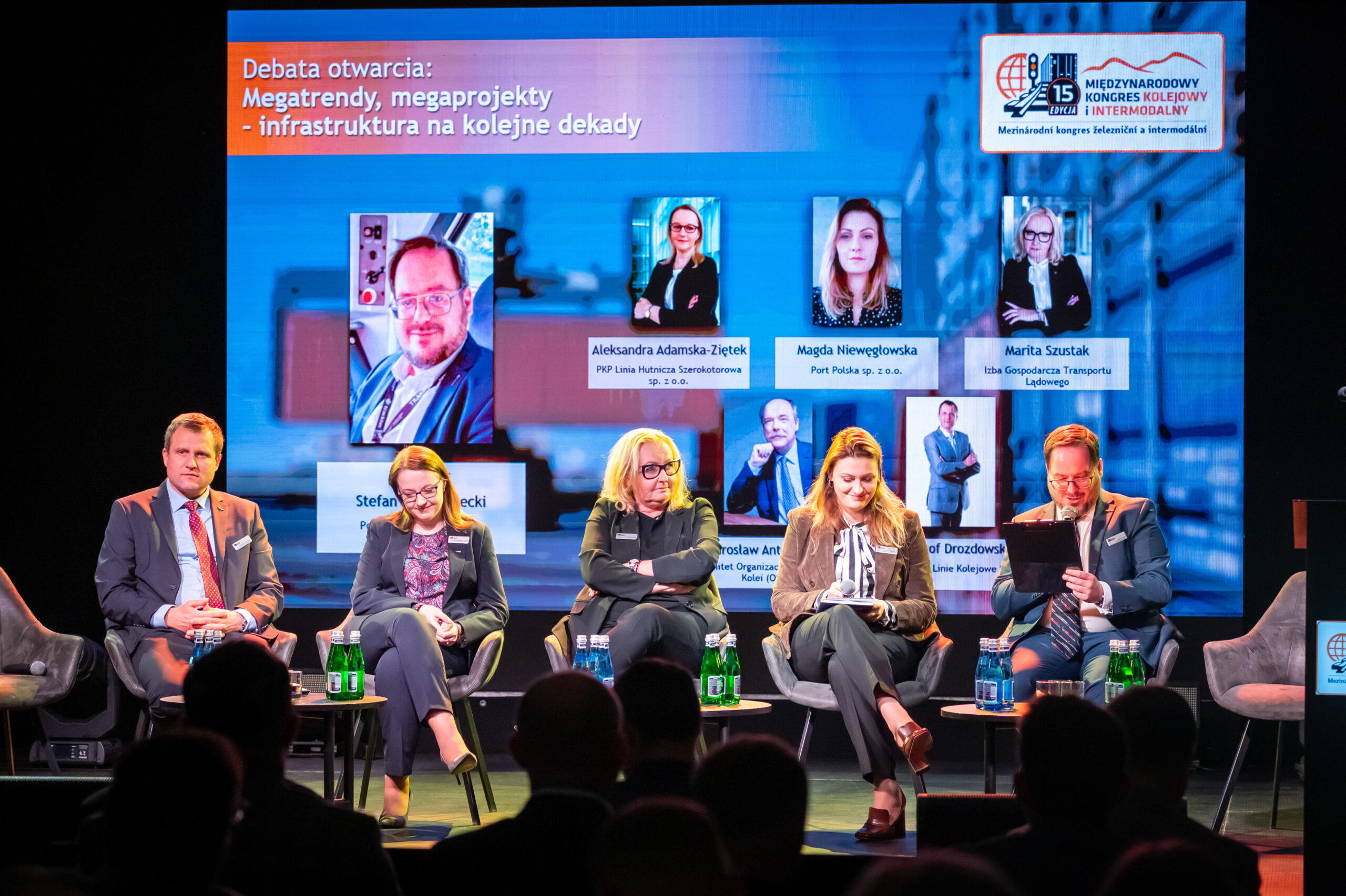
The opening debate of the congress focused on megatrends and mega-infrastructure projects. Participants agreed that the most important trends in infrastructure investment today pertain to digitalization and the priority of national security. They also shared their views on the direction of railway investments in the coming years. They emphasized the need to strengthen freight transport, particularly in light of the new challenges brought about by the war in Ukraine.
The congress proceedings were subsequently divided into three parts:
The “Rail Transport” section, which featured debates on critical infrastructure, competition, and contracts in passenger rail transport, as well as the digitalization of rail transport.
The second section of the congress was devoted to intermodal transport, including discussions on the impact of sanctions on intermodal transport and the importance of trade compliance in the logistics sector, on the EU’s future multiannual financial frameworks for the period 2028–2034, and on the future of green transition in the TSL sector.
The third section of the congress focused on rail transport management, covering topics such as innovation and trends in the rail sector, economics, financing, law and legislation, and rail safety.
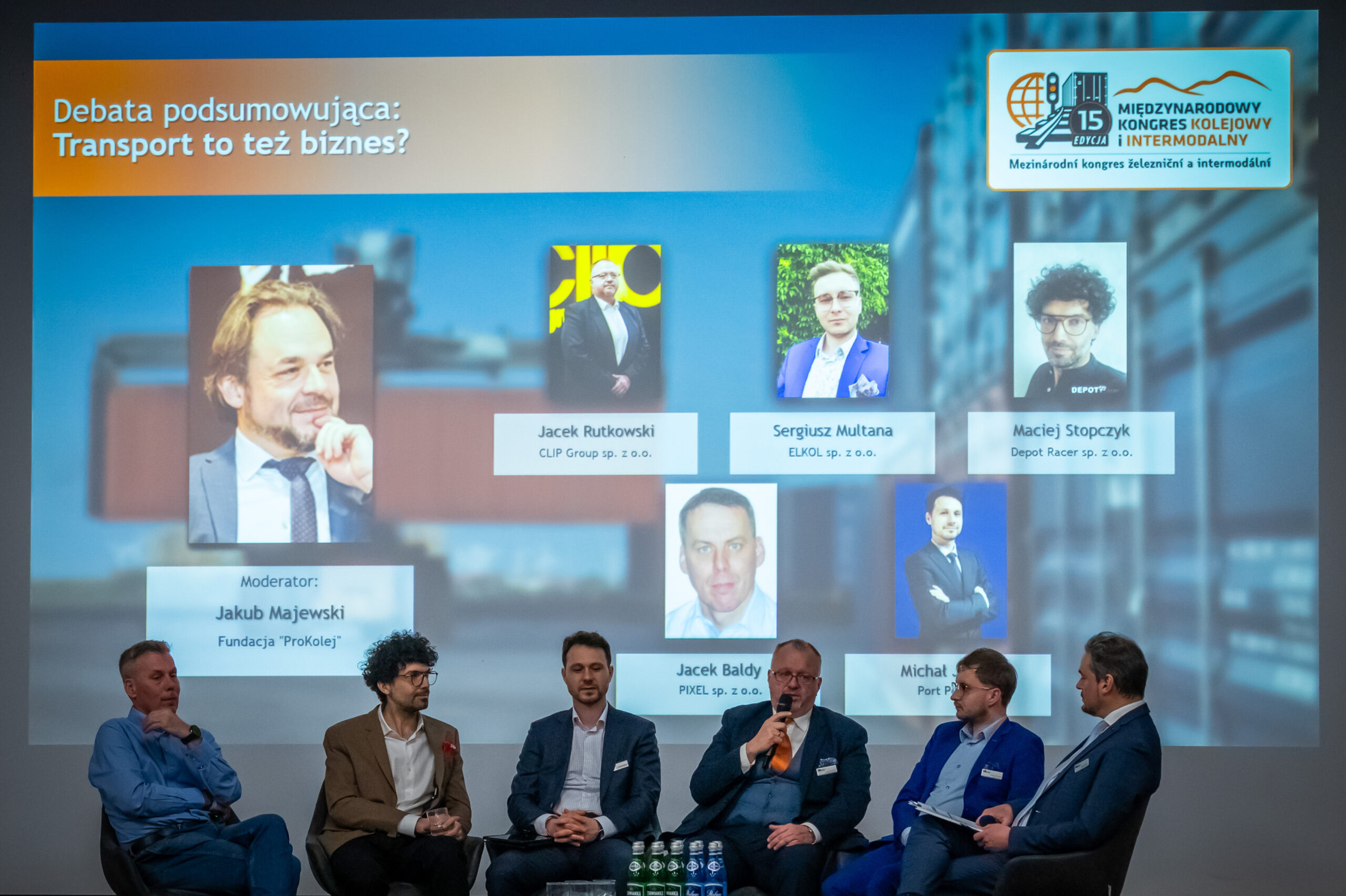
The closing debate of the congress, titled “Transport Is Also Business,” was dedicated to practical business applications of various innovations in rail and intermodal transport. Participants presented examples of implementation of innovative solutions, including artificial intelligence systems that improve logistics operations and reduce the risk of rail infrastructure failures.
As in previous years, the congress also had a charitable dimension. A fundraiser was held during the event, raising PLN 17,500, which was donated toward Helenka’s treatment.
Our sincere gratitude to all participants for their support, and in doing so we invite everyone to the next edition of the International Railway and Intermodal Congress in 2027 in Wisła.